Do you all remember the whole seemingly unending quiet luxury trend? The one had people heading to Zara and Amazon to buy basics that made them look expensive? Social media might have taken that idea to an aesthetic, but back in 2011 a team of researchers had already considered what that label might really mean. Han, Nunes, and Drèze put out a piece where they considered the luxury goods market as a whole, who the consumers are, and what they really want. In that piece, they divided the market into 4 groups: Patricians, Parvenues, Poseurs, and Proletarians. The group was divided on two markers. The first was income. The second was more interesting: Status. Through a set of 4 studies, the researchers demonstrated that desire for status is what led consumers towards or away from quiet luxury symbols. Let’s break down the first group, the Patricians.
The team used the term Patricians to signify the ultra-wealthy, drawing from the term for the Roman elites. Patricians, with their significant wealth, are willing to pay a premium for inconspicuous branding. They want luxury, but they don’t want their products to scream it. Well that’s not true. They want what others in their group have. They choose things that signal prestige in away that helps them connect with other patricians. They have no desire to get everyone else’s attention. They just want to connect with their own peers. The funny thing is that it’s not really quiet luxury at all, well if you can hear on that frequency.
In study, the team presented participants with a set of pictures of luxury bags at varying price points. It was those who would be considered Patricians who were best able associate the right pricing on the bags based on their details. Other groups ranked those with louder branding as likely being more expensive. In most cases, however, the amount of obvious branding goes down as the price goes up. Instead, items connect to key signifiers of the house, instead of logos.
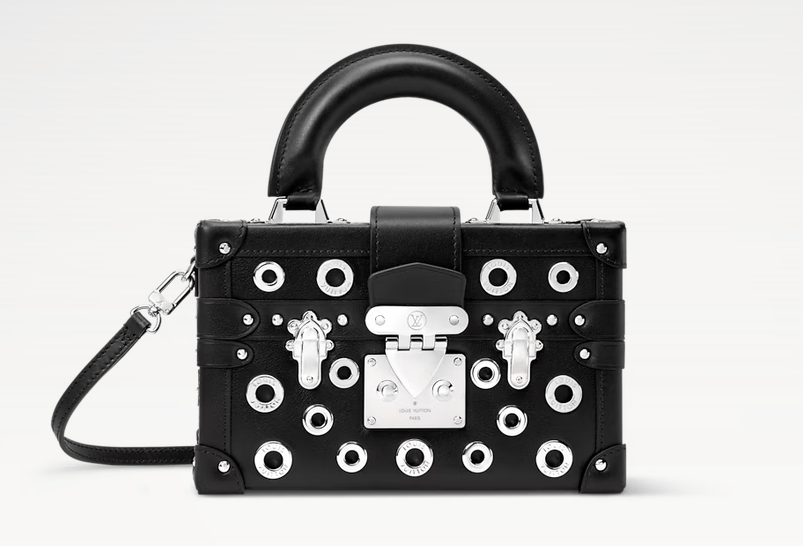
Take into account the Louis Vuitton Petite Malle Capitale at over $8,000.
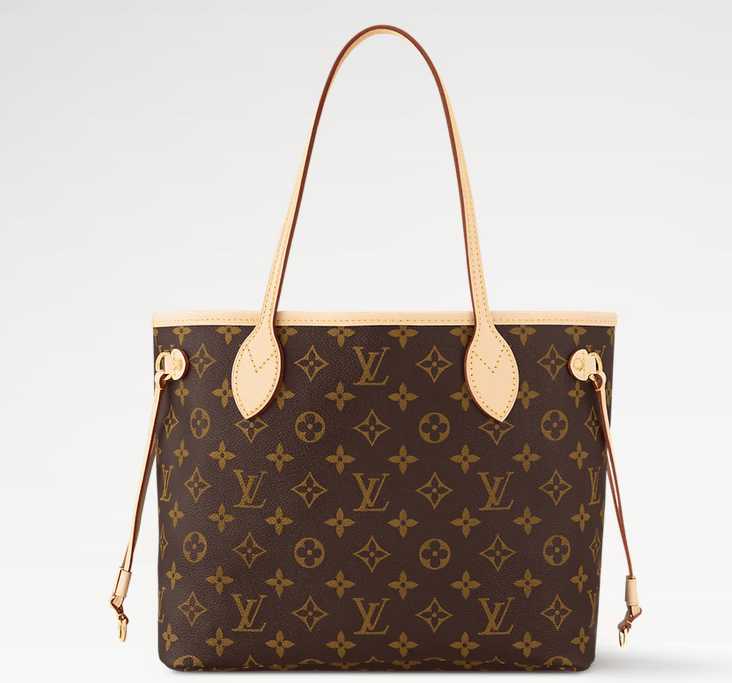
Now compare it to the Neverfull, which comes in close to $2200.
While the Neverfull screams its branding in a way that everyone knows the brand, the Petite Malle announces it through the iconic trunk shape that loyalists of the brand will recognize. Both are obvious, if you know what to look for.
You can find the full article I referenced using the citation below:
Han, Y. J., Nunes, J. C., & Drèze, X. (2010). Signaling status with luxury goods: The role of brand prominence. Journal of Marketing, 7(July 2010), 15-30. https://doi.org/10.1509/jmkg.74.4.015
If you want to read more content like this, here are some more you might like:
And here are my most recent posts:


Leave a Reply