We’ve come to the final role, the buyer. As I have been discussing the four customer roles, this one I suppose could be a bit confusing. I just wrote about the payer. What is makes a buyer different from a payer? This might be nuanced, but the buyer is the person who actually acquires the item. Imagine, if you want to separate the roles out, a kid who is sent to the store with his mom’s credit card to buy groceries. In this case, the kid who actually went into the store to gather all of the items bought the stuff, but he didn’t actually pay for it. His mom did. (Truthfully, most people are both the buyer and payer in their shopping.)
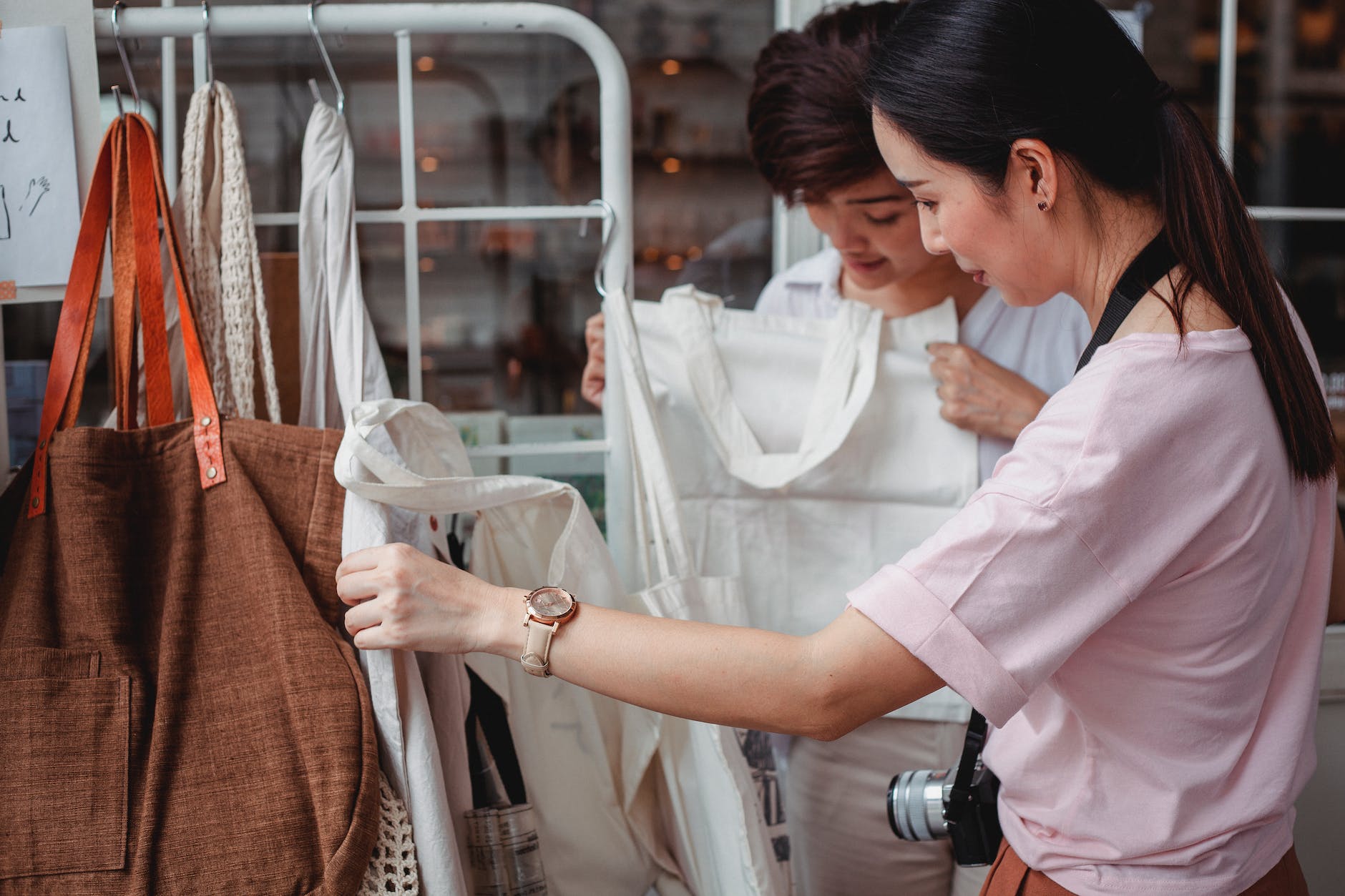
When it comes to buyers, since they go and get the stuff, their focus is on accessibility. Question 1: Is it available to me? Question 2: Is it convenient for me to do so? In this case, to meet the needs of buyers, you need to be certain you have your items and have a good idea of your inventory. But perhaps more importantly, you want to decrease the barriers to make a purchase. The more seamless the process, the less effort on the part of the buyer, the more likely they are to shop with you.
As you might have noticed, many brands have tried to address this with omichannel approaches. They make the experience seamless with in-store ordering if a product isn’t available. They push the ease of using their apps. And the online store is consistently full. Depending on your product category, these might be good options for you. But at the end of the day, you have to make sure the options you provide meet the needs of the people you serve. Make your decisions by thinking through your customer needs and how to make buying process easier and more effortless for them.
If you want to read more content like this, here are some more you might like:
And here are my most recent posts:
 A Wren Says
Leave a comment