There is someone, somewhere out there who spent thousands of dollars on a bag to look impressive. Think about it this way. I walk into the store not only thinking about the stuff I want to buy, but also what you might think about what I’m going to buy. Will you like it? Will you think it looks good? Will you start to envy my ability to buy it and thus feel less successful than me?
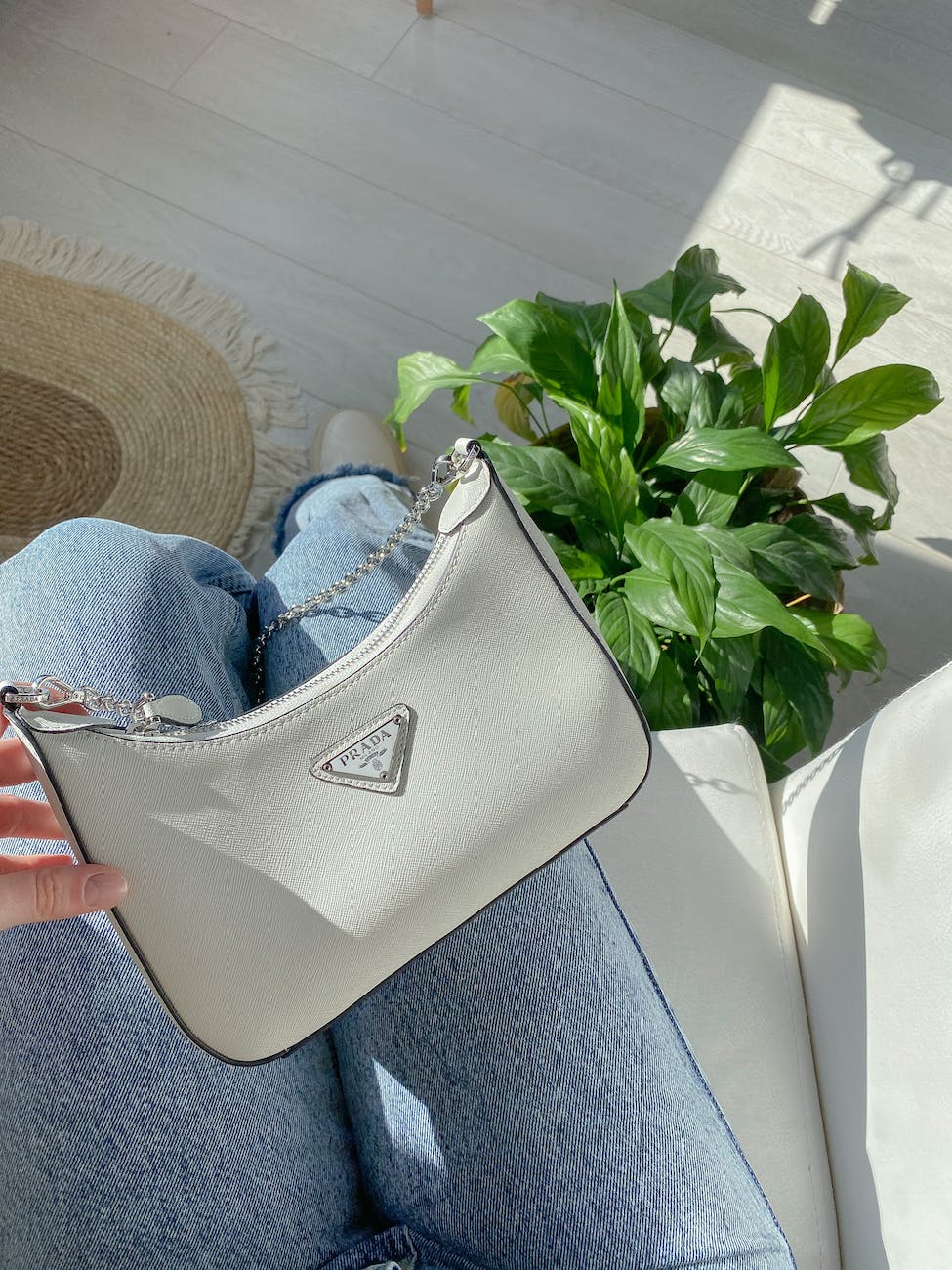
Continuing on our journey to discuss the three drivers of luxury consumption, today we stop on psychosocial. I give three examples of three aspects of this.
- Your beliefs about the world
There are multiple ways that this can play out. In the first regard, we can use purchases to assert what we believe about the world. In the case of expensive luxury, that would include beliefs about status and hierarchy. For example, if you believe that the world is best organized as a top-down social ladder, you are more likely to reach for things that affirm this, with you at top of the ladder of course. An expensive luxury purchase could be a way (in your mind at least) demonstrate that you are of higher value.
- Your beliefs about how others think of you
But on the flipside you might really want that bag but be afraid of what you think that might signal to other people. You might be worried about coming across as materialistic or selfish. You might feel guilt and shame when you think about the price of the item and what others might think you should have spent the money on instead. Or maybe your concern is that people will assume that you didn’t pay for it at all and that you are just a gold digger.
- Your beliefs about yourself
Or maybe you’re an independent thinker who really doesn’t care what other people think. So, you use your purchase to seem more unique and not like everybody else. (But even then, the fact that you are distancing yourself from others means that you also care what others think.) You buy products to affirm what you already to belief to be true about yourself.
There is certainly much more to this. You can definitely spend days looking into this, but this short primer is just a way of saying that how we think others perceive us is going to affect what we choose to buy. Our political ideals, religious beliefs, social upbringing, schooling experiences, friend groups, and every social interaction you have affects how we think and how we interact with others.
Knowing this as a marketer, you can think more deeply about what messages might resonate with your potential customers. What are the stories you would need to tell that would reach a person who comes you looking for status? And how would you alter the message to reach the person who wants to experience your product but is afraid of how others might think of them? And how would you reach the self-assured? If you think about the psychosocial drivers that might be behind your customers’ decisions, you can answer those questions and better position yourself to be exactly what they need.
I consulted a couple of articles that I have cited below. Feel free to explore them on your own. I’m going to do a deep read of these to bring you more content in the future.
Dubois, D., Jung, S., & Ordabayeva, N. (2021). The psychology of luxury consumption. Current Opinion in Psychology, 39, 82-87. https://www.sciencedirect.com/science/article/pii/S2352250X20301196
Wang, Y. (2022). A conceptual framework of contemporary luxury consumption. International Journal of Research in Marketing, 39(3), 788-803. https://doi.org/10.1016/j.ijresmar.2021.10.010
If you want to read more content like this, here are some more you might like:
And here are my most recent posts:
 A Wren Says