L’Oréal is getting more into the luxury skincare side of things. And by luxury, I mean the ultra-premium skincare category, the kind of stuff that is multiples more expensive than La Mer. That, I suppose, is interesting enough. Yay, expanding your portfolio of brands to meet the needs of more types of consumers. But that is not the angle I want to take on this. I am much more interested in the strategy they took to signify “ultra-premium” and what that means for how we think about luxury.
L’Oréal acquired Carita, a storied French skincare brand which started in 1945. Carita as a brand came to associated with Hollywood starlets who depended on the brand to look their best. Today, their products are on the cutting edge using a combination of precious minerals and technology to provide users with results. With a duo of hairstylists as the founders, the brand also offers professional hair and makeup services, in addition to skin and body care at the 11 Fauborg Saint-Honoré address.
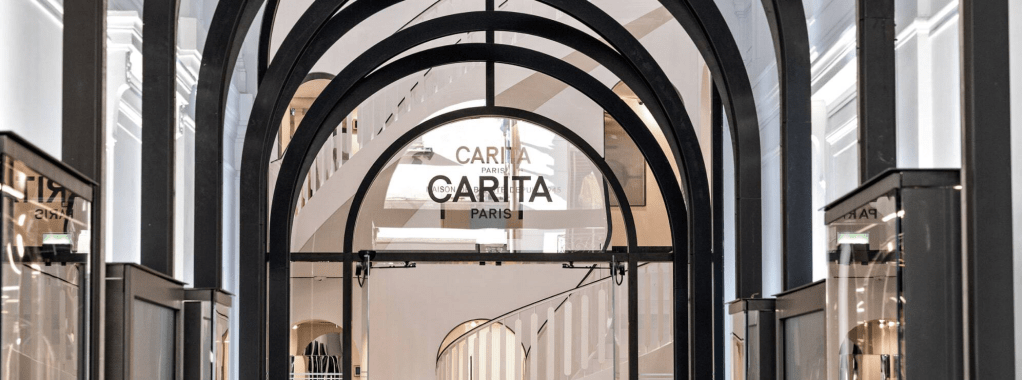
To quote the Vogue Business article covering it, this is how L’Oréal went about elevating Carita to an ultra-premium brand:
“To give Carita an edge, L’Oréal is using a playbook that is similar to LVMH’s with its heritage brands: highlighting the heritage, increasing prices, controlling the distribution, and, opening an experiential flagship.”
Read that again. To give the newly acquired brand the air of the ultra-premium, L’Oréal:
- Highlighted the heritage (Promotion)
- Increased the price (Price)
- Controlled distribution (Place)
- Opened a flagship (Place)
If you think about it, they are essentially manipulating the four Ps of the marketing mix (product, price, place, promotion) to shape how consumers think about the brand.
Promotion: L’Oréal is shifting the promotional strategy so that consumers know the history of the brand. As they tell you more about all of the time and effort invested throughout the years, this should make you think of the quality and expertise that goes into crafting their product, i.e. you should value it more.
Price: They made sure the product costs more to attach the idea of luxury to it, because after all luxury is expensive.
Place: They controlled where you can and can’t get it, because this is special. This is special, so not everyone can have it. And if you want to experience the product, you will do so in their stores, under their conditions, so they can better control the story told around the product and the experience you have.
Product: While there may not be any changes to formulas themselves, they add that the brand recognizes that shifting towards a more premium image carries higher expectations from customers. So, while they can just manipulate all the other Ps, Caritas will have to ensure that they continue to make a product that works and that people want to use. If they don’t get this right, nothing else matters.
As much as I have been looking into luxury products, especially skincare, I appreciate hearing a company say so explicitly how they are using marketing strategy to cement themselves into the luxury category. As I continue to think about what luxury really means as a category, I guess I have to admit now that as much as it is about quality, it is just about great marketing strategy.
This is the Vogue Business article I read:
Guilbault, L. (June 16, 2023).Why L’Oréal is all in on ultra-premium beauty. Vogue Business. https://www.voguebusiness.com/companies/why-loreal-is-all-in-on-ultra-premium-beauty
But here are some other articles that will be easier to access to learn about L’Oréal’s strategy overall
From WWD- L’Oréal’s Nicolas Hieronimus on Hitting the High Notes
From L’Oréal –Carita
If you want to read more content like this, here are some more you might like:
And here are my most recent posts:
 A Wren Says
Leave a comment