Throughout the week I have been writing about Studio 189. The short introduction, if you haven’t read the other posts, is that it is a higher end brand of clothing produced in Africa using many of the traditional African clothing making techniques.
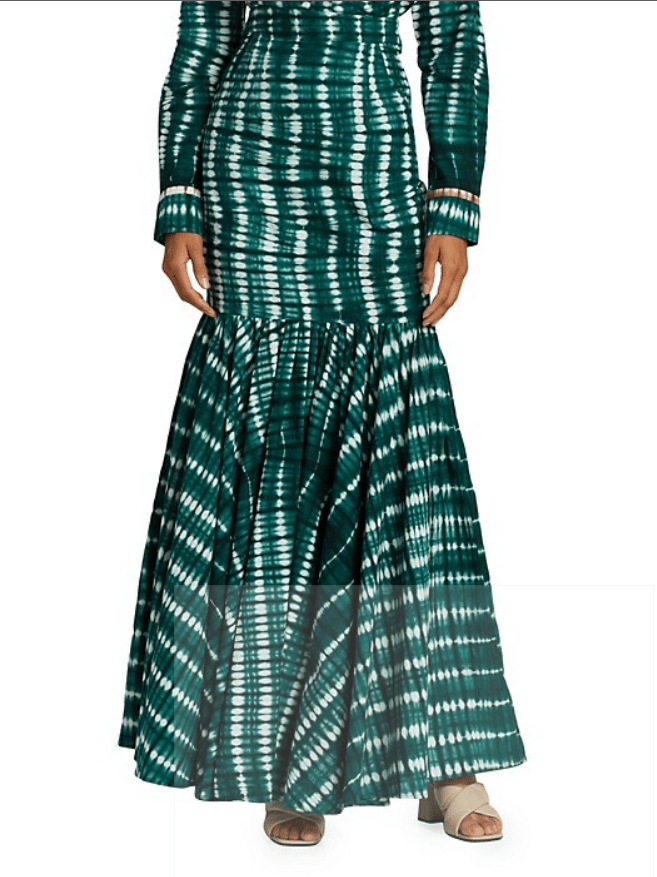
I previously saw one of the skirts, ornately patterned and dyed, and I fell in love. And then I saw the price. $550. I then thought about what the Africans in my life would say. They would question why on earth I would spend that much money when I could have a similar style made in the country of my choosing. I thought better of the purchase. It didn’t make any sense, it was definitely overpriced. Or so I thought.
I personally felt what Erwiah was taking about when she said this in an interview with Fashionista,
… I was seeing the pride and joy in promoting European fashion, what it means to honor an artisan and to honor the handmade, to set the price accordingly and to attribute value, in that sense. You create this perceived value that people see and are automatically willing to drop a certain amount of money on. They wear it with pride and honor it. … But then, I would go visit where I’m from and I would see not that. I would see people over-negotiating, driving prices down. In other places, too: I was doing volunteer work in the Congo and seeing people beg for money, doing things that are completely uncalled for — meanwhile, they’re sitting on assets.
I was personally guilty of not giving African fashion its due. For me, it is not just that it is made in Africa vs Europe. I think in particular, it’s not just that it is African designers or was made in Africa. I think it is because it is presenting to me something that is familiar. And it is all too easy to undervalue the familiar.
Though I love the styling, I have assigned it a lower price point because of what I am used to. I can get away with paying less for clothing produced in Africa because of the exchange rate, yes, but also because of the power dynamics and a culture of negotiations. Because of differences in workers’ rights mandates and lower wages. Because of less governmental protections on productions. I have to realize that there is a greater cost to a cheaper skirt.
For me, viewing this fashion as deserving luxury prices means reframing my perspective. It means assigning a higher value to the labor-intensive work –to the tailoring, pattern making, and dye techniques. It also means reassessing fair worker compensation, even though I could easily take advantage of the current system. It is not just how I might value a skirt but also how I value the people who made it.
If you want to read more content like this, here are some more you might like:
And here are my most recent posts:
 A Wren Says