Post New York Fashion Week, I am spending some time exploring some the brands that showed. First up is Studio 189, with a profile on one of its founders: Abrima Erwiah.
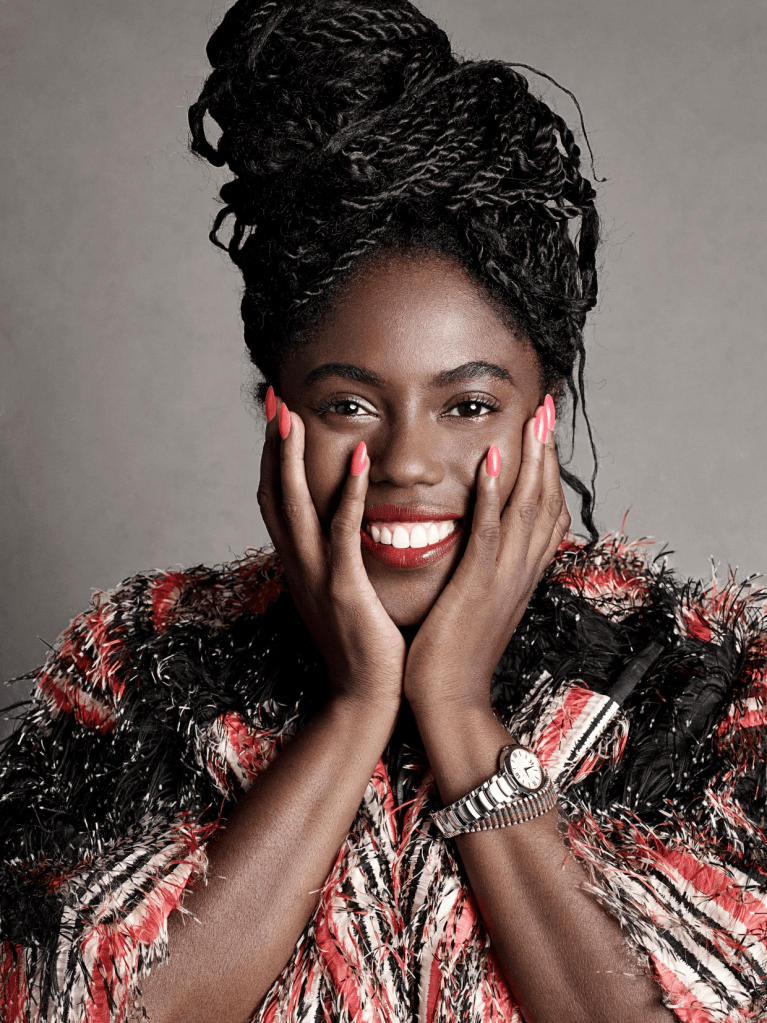
Abrima Erwiah started Studio 189 with Rosario Dawson. Prior to starting the brand, you could hardly say she was a fashion outsider. Erwiah had an extensive career in luxury fashion, but she started with at path in business. As a student at the Stern School at NYU, she majored in finance and international business. She originally saw a career for herself in banking and pursued roles in that field. But after multiple fruitless interviews, she didn’t find work in the industry. She spoke of being across the desk from the interviewer, forming herself to what she thought was the acceptable mold for a banker. She already had the education and knowledge of multiple languages, but she found herself dressing and styling her hair to fit in. But despite trying to do “the right thing” talent, she found herself overlooked. Finally at the suggestion of a friend, she took a job with Living Doll, a SoHo fashion boutique, doing marketing and promotions for the store. And so began her career in the fashion industry.
In contrast to the world of banking, she saw fashion as an outlet for her creativity and chance to bring her full self. Her star would continue to rise as she worked her way up the ranks. From Living Doll, she would move on to John Lobb, Cesar Paciotti, Hermès, and Bureau Bank, and then to her dream employer, Bottega Veneta.
The Italian luxury house was a dream come true because it allowed Erwiah to bring together all of her skills and passions. The role gave her the opportunity to continue to speak French, enjoy Italian culture, flex her business acumen, and engage with the fashion community. It also gave her a perspective on fashion as a global business and a honoring of craftmanship and consistent quality. But as time drew, she began to think more about her values and the nature of impact. At the same time, experiences in her personal life and professional life drew her attention back to continent of Africa. There were multiple things that were drawing her attention to the continent
Previously, she didn’t feel “empowered enough,” to go to Ghana for her grandmother’s funeral. But hen her father’s health was failing, she realized that he was her connection to her own Ghanaian heritage was through him. She then decided to take the opportunity to learn more about her own African identity. As she says it, that moment was when she “really started to find [her] power.” She began volunteering and joined friend, Rosario Dawson, on a trip to the Congo.
Professionally, she noticed goods made in Africa didn’t garner the same respect that European handicraft. As she said, speaking with Fashionista:
“Ultimately, through my luxury work, I was seeing the pride and joy in promoting European fashion, what it means to honor an artisan and to honor the handmade, to set the price accordingly and to attribute value, in that sense. …. But then, I would go visit where I’m from and I would see not that. I would see people over-negotiating, driving prices down. … Because of this economic system we’ve built, you have this thing where oftentimes, resources are extracted and value is added elsewhere; instead of letting people build value in the places where they’re from and everybody having a little bit…
Her experience helped her see the disconnect between respect for artisan goods from European brands and lack of celebration of African craft in the fashion world. In school, Erwiah had a studied the impact of globalization on Argentina, specifically locally sourced products. This background combined with her career helped her think more deeply about the impact fashion could have in Africa.
As mentor with the Kering Foundation for Women’s Dignity & Rights for organization, she worked with AFRIpads in Uganda. In concert with local designers and creatives, she helped produce a fashion show for International Women’s Day. The experience was the catalyst for what would become Studio 189, a brand focused on making an impact by focusing on people and sustainability and paying fair wages and prices for African handicraft.
In 2021, Erwiah was named director of the New School’s Parsons School of Design’s newly formed Joseph and Gail Gromek Institute of Fashion Business. The appointment was due not only to her personal design experience with her brand, but also her background in fashion business overall. Speaking to her goal for the center, she spoke of fostering lines of thinking that “disrupts the fashion industry in every possible way.”
Sources used:
Colón, A. (April 19, 2021). How Abrima Erwiah Went From Working at a SoHo Boutique to Helping Shift the Conversation Around African Luxury Fashion. Fashionista.com https://fashionista.com/2021/04/abrima-erwiah-studio-189-career-interview
Doud, T. (June 14, 2018). Studio 189 designs fashion for social change. CFDA.com https://cfda.com/news/studio-189-designs-fashion-for-social-change
Ell, K. (September 15, 2021). Studio 189 Cofounder Abrima Erwiah Named Director at Parsons. WWD. https://wwd.com/feature/abrima-erwiah-new-school-parsons-director-1234926869/
 A Wren Says